:Index / 6 publications

All research.

Usable security and privacy through an HCI lens — how real people adopt privacy controls, weigh privacy against money, assign blame after breaches, and decide to update their software.

R01

Best Paper Award — ACM CHI 2023

Do Technical Level and Trust in Service Providers Inform Consumers' Privacy Control Adoption?

As tech companies increasingly collect user data, understanding how users perceive and respond to privacy controls is crucial. This study examines the trust gap between technical and non-technical users in service providers' data collection — informing privacy tools that resonate with diverse user groups.

  • SPSS
  • R
  • Python

R02

What Characteristics Lead to Users' Willingness to Pay for Premium Privacy Controls in IoT?

As the Internet of Things expands, so do concerns about personal data privacy. Our research reveals users are willing to pay for enhanced privacy protection — especially those with higher technical literacy — underscoring the need for transparent, customizable privacy settings in IoT devices.

  • SPSS
  • R

R03

Who's to Blame When a Data Breach Occurs?

This study explores how users' past security actions impact their blame attribution. Surprisingly, non-compliant users tend to deflect blame onto service providers — insight that can shape more effective pre- and post-breach communication strategies.

  • SPSS
  • R

R04

How Do Users Calculate the Tradeoff Between Privacy and Money at IoT Purchase Time?

As the 'pay for privacy' model gains momentum, we investigated how users weigh data privacy against monetary benefits — using an incentive-compatible lottery on Prolific to uncover the subtle calculations driving privacy-focused IoT purchases.

  • SPSS
  • R
  • Python

R05

How Do Users Decide to Update Software?

Why are some users more likely to update software than others? Update type and required restarts were not significant — but trust in the provider was. Intriguingly, users intending to update often experienced higher cognitive dissonance, suggesting updating is a complex psychological process.

  • SPSS

R06Undergraduate thesis

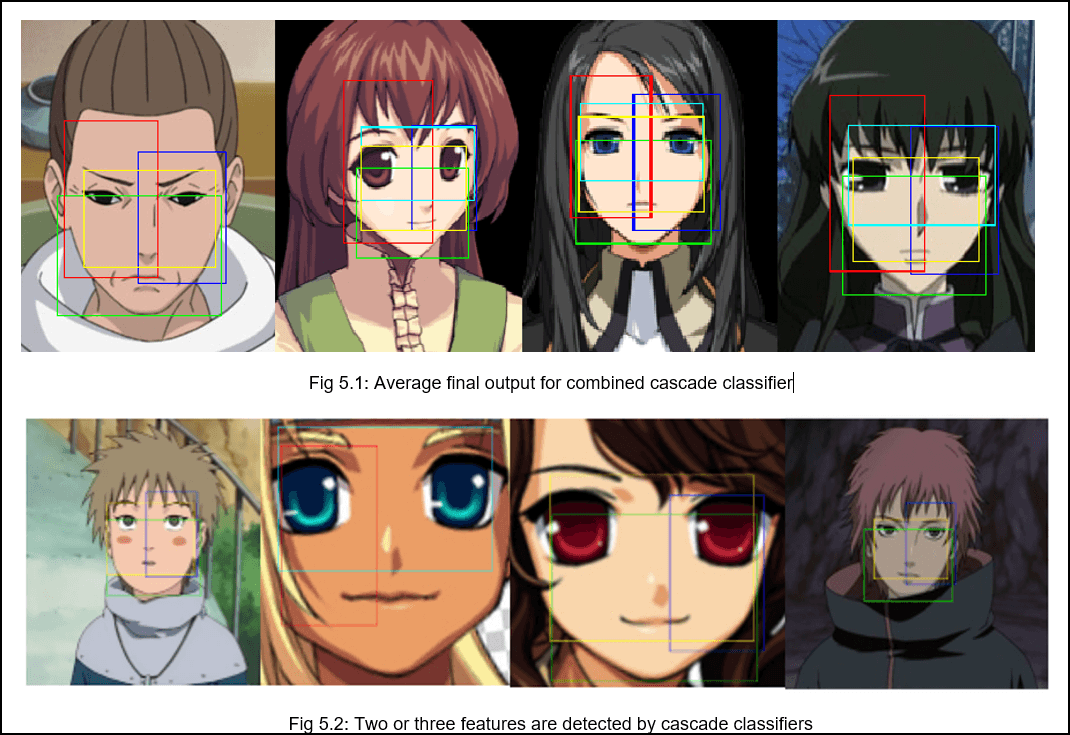
Efficiently Detecting Anime Faces with Combined Cascade Classifiers

Anime face detection poses unique challenges due to its stylized nature. We trained a cascade of classifiers, each focused on a specific facial feature, achieving high detection accuracy.

  • OpenCV
  • Java
Efficiently Detecting Anime Faces with Combined Cascade Classifiers poster